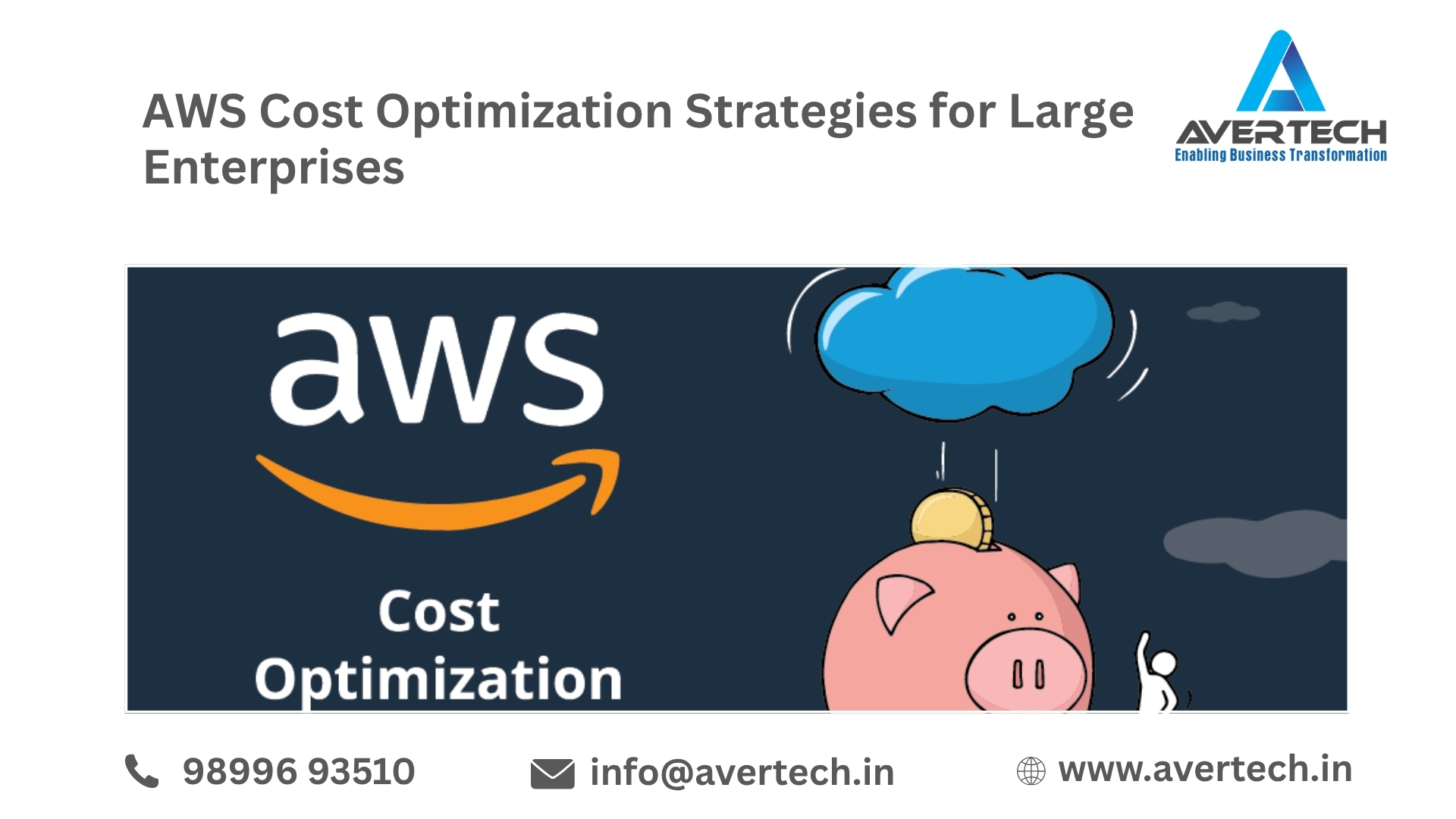



Cloud adoption among businesses in Delhi NCR. Businesses in cities such as Gurgaon, Noida, Ghaziabad and New Delhi rely on cloud for hosting applications, databases, Backup & disaster Recovery and data analytics
As cloud adoption increases each month and your usage rises, expenses might increase too. Expenses the bill, however, that come with your own unused resources may include oversizing your VMs, storage not performing optimally, not allocating loads effectively and unforces
Working with an experienced cloud service provider Delhi NCR businesses can identify these inefficiencies and build a cost-effective cloud environment without compromising performance, security, or scalability.
Why Cloud Cost Optimization Matters for Delhi NCR Businesses
The downside of flexible cloud pricing Is your bill running up? Cloud platforms do offer incredible flexibility. However, their pay-as-go model means you still need to watch. It’s not unheard of for organizations to pay for things they no longer need and provision powerful machines that aren’t being fully utilized by a lower-end workload.
Effective cloud cost optimization helps organizations:
- Reduce unnecessary cloud expenditure
- Improve resource utilization
- Identify idle and unused resources
- Control storage and data-transfer costs
- Optimize compute capacity
- Improve financial forecasting
- Maintain performance while reducing expenses
- Create a more predictable cloud budget
Cost reduction through tech has a huge potential and for companies competing in the markets like Noida, Delhi, Gurugram and Ghaziabad effective control over tech expenditure could directly lead to cost efficiencies.
1. Conduct a Cloud Cost Assessment
The first step toward optimization is understanding where your cloud budget is being spent. A professional assessment should examine compute instances, databases, storage, networking, backups, monitoring services, and other cloud resources. Businesses should also identify resources that have low utilization or are no longer associated with active applications.
A cloud service provider Delhi NCR can help review your cloud environment and identify potential areas for savings.
2. Right-Size Cloud Resources
When it comes to avoiding cloud waste, probably the most common issue seen is over-provisioning. It may be the case that your application is using server infrastructure with a lot more of CPU and memory resources than they are needed. You need to do right-sizing your infrastructure.
Businesses should regularly review:
- CPU utilization
- Memory consumption
- Network traffic
- Storage usage
- Application performance
- Peak and average workloads
Right-sizing can reduce costs while maintaining the performance required by business applications.
3. Remove Idle and Unused Resources
Because of the elastic nature of cloud environments, it is easy for waste to build up over time. The resources include any development servers that are idle; orphaned storage volumes, old snapshots and temporary infrastructure, and also unused IP addresses. An important aspect of managing expenses is implementing routine resource cleanup procedures to rid an organization of unwanted costs.
Businesses should establish automated or scheduled reviews to identify resources that have remained unused for a defined period.
4. Use Auto Scaling for Variable Workloads
You dont need an identical level of computing power throughout the day for everything you do. Auto Scaling enables you to easily add or remove the capacity that your applications need depending on demand so its great for e-commerce businesses, SaaS applications, marketing efforts, and companies that have higher traffic loads in certain months or times of year.
Instead of maintaining maximum capacity 24/7, organizations can dynamically match infrastructure with actual demand.
5. Optimize Cloud Storage
Storage costs can become significant as businesses accumulate databases, backups, logs, media files, and application data.
A good storage optimization strategy includes:
- Removing obsolete data
- Applying lifecycle policies
- Moving infrequently accessed data to lower-cost storage tiers
- Compressing suitable data
- Reviewing backup retention periods
- Identifying duplicate files
- Archiving historical information
Businesses should balance storage savings with data availability, compliance, and recovery requirements.
6. Consider Reserved and Savings-Based Pricing
Businesses utilizing consistently running workloads may have another purchasing option through their cloud provider. It would be possible to do away with the standard on-demand rates if applicable to an organization’s constant workloads by purchasing suitable reserved capacity or Savings Plans.
However, these options should be evaluated carefully. Committing to resources that are not consistently required can reduce flexibility.
7. Monitor Cloud Costs Continuously
Cloud cost management shouldn’t be a one-time project. It pays for companies to create and deploy dashboards, alerts, and budgets, and generate regular reports to keep a close eye on what the cloud is costing them. By keeping an eye on costs, technical and finance staff can spot surprising increases and fix them before they get out of control.
Useful metrics include:
- Monthly cloud expenditure
- Cost per application
- Cost by department or project
- Resource utilization
- Storage growth
- Data-transfer costs
- Forecasted monthly expenditure
8. Optimize Data Transfer and Networking
Interoperability anddata movement can often be the largest part of your cloud bill when you’ve got an application that sees tremendous traffic, whether it’s to or from outside of your own network. Go through your own services to see if you can cut down on services hopping around in terms of regions or just on your overall network.
The appropriate application service architecture and deployment, along with content delivery networks and caching can both help to optimize the performance of the application as well as reducing some of the underlying costs of the application in the wider network.
9. Implement Cloud Governance
As companies expand, multiple teams may start to develop and control their cloud resources independently. If not managed via governance, inconsistent configurations and high cloud spending may result.
A cloud governance framework can include:
- Resource tagging
- Budget policies
- Access controls
- Approval processes
- Cost allocation
- Automated cleanup
- Regular optimization reviews
This creates accountability and helps businesses understand which teams, applications, or projects are responsible for cloud expenditure.
10. Work With a Professional Cloud Service Provider
Managing cloud costs while maintaining security, availability, and performance can be challenging for internal IT teams.
A professional cloud service provider Delhi NCR can help businesses assess their infrastructure, identify optimization opportunities, implement monitoring, and continuously improve cloud efficiency.
Avertech enables organizations to develop secure, extensible and cost-effective cloud solutions through their cloud consulting and managed cloud services. Avertech assists in cloud optimization, migration, cloud infrastructure, security, devOps and performance management
Benefits of Cloud Cost Optimization With Avertech
A structured optimization approach can help Delhi NCR businesses achieve:
- Better cloud resource utilization
- Reduced unnecessary infrastructure costs
- Improved cost visibility
- More predictable cloud budgets
- Better application performance
- Scalable infrastructure
- Improved cloud governance
- Continuous cost monitoring
The objective is not simply to spend less. The real goal is to maximize business value from every rupee spent on cloud infrastructure.
Conclusion
Cloud adoption allows Delhi NCR businesses to achieve scalability and agility that helps them to thrive in a dynamic digital landscape. However, as businesses increasingly scale up cloud environments, they also begin to witness unnecessary escalations in costs unless carefully managed.
There are many ways that businesses can manage costs in the cloud. Right-sizing the environment to eliminate idle resources and improve performance of Storage, Networking, Auto scaling and pricing models. Working with a reliable Cloud service provider Delhi NCR can make the environment more streamlined. Avertech assists enterprises to perform a cloud environment assessment and make strategies with optimum scope of performance, scalability, security and cost efficiency.
If your cloud infrastructure expenditure is starting to creep higher than you had planned, an expert cloud cost optimization review could be a pragmatic place to start to get better control over spending, and gain ongoing savings.